The hardest hours are the ones no one sees
A fall in the night, a restless evening, a morning where someone simply did not get up. Why night supervision is where care is hardest — and where Stillsense was built to help.
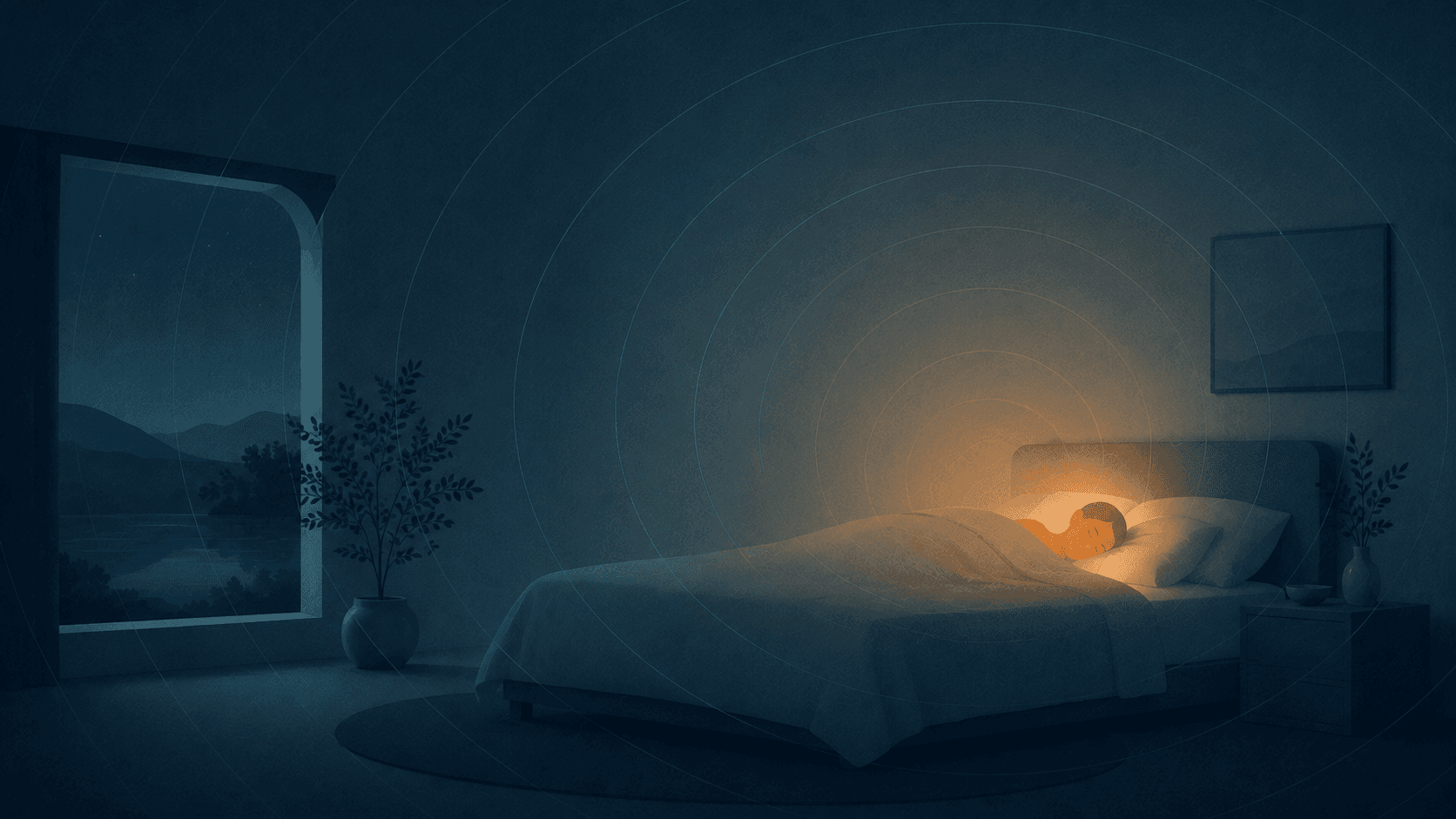
The hardest hours are the ones no one sees
A fall in the night. A restless, wandering evening. A morning where someone simply didn't get up. The moments that matter most in care are the ones that happen when no one is in the room — and the usual answers ask too much.
The usual answers ask too much
Cameras feel like surveillance, and stop at the bedroom door. Wearables get left on the nightstand by the people who need them most. Hourly checks disturb the very sleep they're meant to protect. Each one solves part of the problem and creates another.
Stillsense was built for exactly those hours: always aware, never intrusive.
Quiet by default, clear when it counts
Most of the time, Stillsense simply shows that all is well. The people who are sleeping soundly stay undisturbed. When something changes — a bed-exit, a likely fall, a morning without the usual movement — it surfaces a single, plain alert to the right carer, fast. The rest of the time, it stays quiet.
A system that cries wolf gets switched off. So Stillsense learns the ordinary rhythm of a person's day and speaks up only when there's a real reason to.
Honest about confidence
Stillsense tells you what it knows — "no movement detected since 22:40" — not what it can't. We never imply certainty we don't have, and our fall detection is completing an independent validation study before we make any safety-grade guarantee. Quiet accuracy is the whole point.